Is Mold in Your South Carolina Home a Health Hazard?
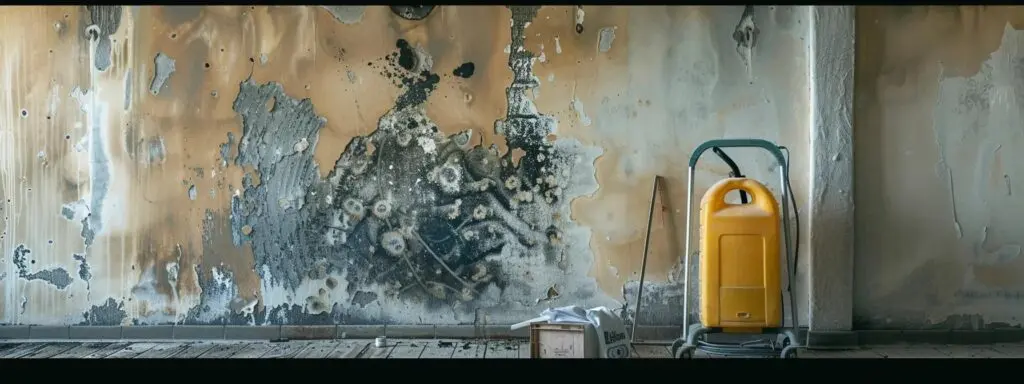
South Carolina’s warm, humid climate creates an ideal breeding ground for mold. Homeowners may notice musty odors, discoloration on walls, and unexplained allergy flare-ups. These signs suggest that mold could be compromising indoor air quality and threatening both health and property. Understanding the risks and available solutions is crucial for maintaining a safe living environment. Understanding Mold and Its Growth in South Carolina Homes Mold is a fungus that thrives in damp, poorly ventilated spaces. It reproduces via microscopic spores that disperse through the air and settle on organic surfaces like drywall, wood, and carpeting. Once established, colonies can expand rapidly, especially in regions prone to high humidity. The Mold Life Cycle Why South Carolina Is Particularly Vulnerable South Carolina experiences long, hot summers with frequent afternoon thunderstorms. This combination keeps indoor and outdoor humidity levels elevated. Crawlspaces, attics, and poorly insulated walls often harbor hidden leaks, creating pockets of moisture where mold can flourish. Key Catalysts: Causes of Mold Growth in South Carolina Homes Excess moisture is the primary trigger for mold proliferation. Even a minor plumbing leak or condensation on windows can feed a colony. Proper home maintenance and moisture control are fundamental to preventing infestations. Health Risks of Mold Exposure Mold exposure symptoms can range from mild irritation to serious respiratory conditions. Understanding these risks empowers homeowners to act swiftly when signs of fungal growth appear. Many individuals react to mold spores similarly to seasonal allergies. Symptoms often include sneezing, runny nose, and itchy eyes. For those with asthma or weakened immune systems, exposure can trigger severe respiratory distress. Mold Exposure Symptoms Even healthy individuals may experience chronic symptoms if mold contamination is extensive. Long-term exposure has been linked to immunosuppression and persistent health issues. Black Mold Health Risks Not all molds are black, but when homeowners see dark green or black fuzzy growth, it’s often Stachybotrys chartarum. Known as “black mold,” it produces mycotoxins that can harm neurological and respiratory health. Inhalation of mycotoxins may lead to chronic fatigue, cognitive impairment, and mood disturbances. Vulnerable populations—children, the elderly, and those with chronic illnesses—require special attention to prevent severe reactions. Assessing Indoor Air Quality SC Indoor air quality SC is directly affected by mold levels, volatile organic compounds (VOCs), and particulate matter. Poor air circulation allows spores and toxins to accumulate, worsening health risks. Homeowners can install monitoring networks or portable sensors to track humidity and airborne contaminants. Regular HVAC maintenance and filter changes also improve air circulation and reduce spore counts. Why Professional Intervention Matters DIY mold removal may seem cost-effective, but improper handling can spread spores and exacerbate the problem. Professionals follow industry standards—like IICRC S520 protocols—to contain the infestation and ensure thorough decontamination. Specialized equipment, such as HEPA vacuums, negative air machines, and EPA-registered sanitizers, ensures that mold is physically removed and chemically neutralized. This level of precision is challenging to achieve with retail products alone. In many cases, homeowners need mold remediation south carolina specialists to guarantee safe and effective removal. Steps in Comprehensive Mold Remediation South Carolina 1. Inspection and Assessment Professionals conduct a detailed inspection to identify visible and hidden mold colonies. Moisture meters and infrared cameras reveal damp spots behind walls and under flooring. 2. Containment Technicians erect physical barriers and establish negative air pressure to prevent spores from migrating to clean areas. Proper containment is essential to protect occupants and adjacent rooms. 3. Removal Techniques Industrial HEPA vacuums extract loose spores, while antimicrobial treatments kill mold on contact. Porous materials like drywall and insulation are often removed and replaced to eliminate ingrained colonies. 4. Drying and Dehumidification High-capacity dehumidifiers and air movers dry affected areas thoroughly. Achieving moisture levels below 50% is crucial to discourage future growth. 5. Restoration and Repairs After mold removal, affected structures are rebuilt and refinished. This stage may involve minor carpentry, drywall installation, and repainting to restore the home to its pre-loss condition. Homeowners requiring Reconstruction Services south carolina appreciate the seamless transition from remediation to rebuilding. Advanced Technologies in Mold Remediation Modern remediation combines proven methods with cutting-edge technology: These tools enhance efficiency and effectiveness, providing lasting protection against future outbreaks. How to Know You Need Professional Help Persistent musty smells, recurring allergy-like symptoms, and unexplained water stains signal the need for expertise. Mold hidden behind walls or under flooring often eludes DIY efforts, allowing colonies to expand unchecked. For immediate assistance, homeowners should call +120864-778-2295 and schedule a comprehensive evaluation. Choosing the Right Mold Remediation South Carolina Company When selecting a service provider, consider these criteria: A reputable company will walk you through each step, ensuring clarity and accountability throughout the project. When evaluating options, learn more about Need Professional Mold Remediation in South Carolina to make an informed decision. Why Advanced Restoration SC Stands Out With a decade of expertise in mold and water damage restoration, Advanced Restoration SC delivers tailored, high-quality solutions. Their seasoned technicians integrate semantic SEO strategies into service descriptions, ensuring homeowners find precise information and support. Choosing Advanced Restoration SC means entrusting your home to specialists who value health, safety, and structural integrity above all else. DIY vs Professional Mold Remediation Comparison Criteria DIY Approach Professional Remediation Inspection Tools Basic flashlight, visual checks Infrared cameras, moisture meters Containment Zip-lock bags, makeshift barriers Negative air machines, sealed zones Removal Methods Scrubbing, bleach solutions HEPA vacuums, EPA-registered agents Safety Measures Dust masks, gloves Full PPE, N95 or higher respirators Guarantee No warranty Warrantied work, long-term support Common Mold Exposure Symptoms and Recommended Actions Symptom Possible Mold Cause Recommended Action Sneezing & runny nose Airborne spores Professional indoor air quality test Persistent cough Inhaled mycotoxins Medical evaluation and allergy testing Skin rashes Direct contact with mold Remediation and surface disinfection Headaches & fatigue Chronic exposure to mold toxins Immediate mold inspection Musty odor Hidden colony behind surfaces Infrared moisture detection Preventive Measures and Long-Term Solutions Long-term protection focuses on moisture management and routine maintenance: Combining these steps with professional guidance significantly reduces the chance of future mold outbreaks. Conclusion