How Do You Know If You Need Professional Mold Remediation in South Carolina?
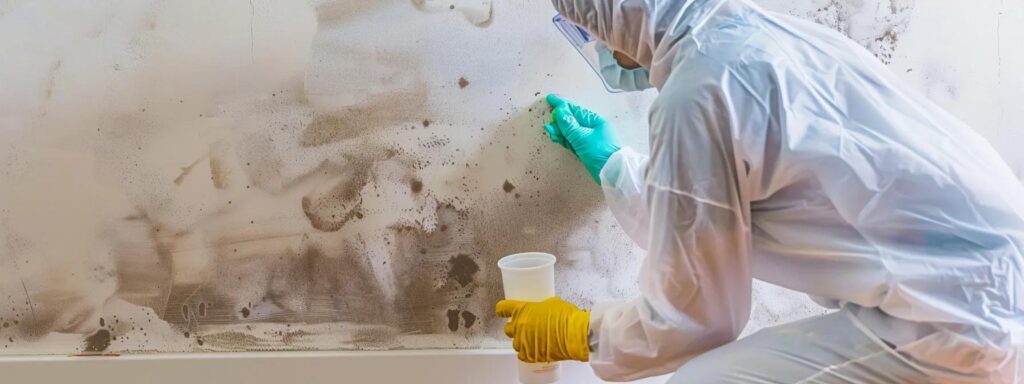
South Carolina’s warm, humid climate creates perfect conditions for mold growth. From hidden leaks behind drywall to condensation around HVAC vents, mold colonies can develop rapidly in homes and businesses. Recognizing when an infestation has outgrown DIY cleaning is critical. This guide helps readers understand the signs of mold infestation, when to hire mold experts, and why professional intervention matters for lasting results. Understanding South Carolina’s Mold Risk Mold spores thrive where moisture lingers, and coastal regions like Charleston or humid inland areas such as Columbia often experience relative humidity levels above 70 percent. Without proper ventilation and moisture control, basements, crawl spaces, and attics become breeding grounds for Aspergillus, Cladosporium, and Stachybotrys chartarum. Prolonged exposure can damage wood framing, drywall, insulation, and even compromise indoor air quality. The Role of Climate and Building Materials High summer temperatures combined with monsoon-like rainfall fuel mold growth inside South Carolina homes. Modern construction materials—PVC trim, OSB sheathing, gypsum board—can trap moisture if not properly sealed. A malfunctioning gutter system or roof flashing defect often redirects water into vulnerable wall cavities, leading to concealed colonies that release volatile organic compounds and mycotoxins into living spaces. Why Early Detection Matters Mold infestations often start behind walls, under carpets, or in utility closets. By the time visible colonies appear, the infestation may have spread through adjacent rooms via airborne spores. Early detection—through musty odors, allergy flare-ups, or moisture readings from hygrometers—can limit structural damage and reduce health risks. Prompt inspection helps contain the problem before remediation costs escalate. Recognizing the Signs of Mold Infestation Identifying mold growth early can mean the difference between a surface clean-up and a full remediation project. Homeowners should watch for visual cues, olfactory signals, and health symptoms that indicate hidden mold. Visible Indicators Mold often appears as fuzzy or slimy patches in shades of black, green, or white on walls, ceilings, and subflooring. Warping paint, bubbling wallpaper, or staining around windows signal trapped moisture that can nurture fungal growth. Photoluminescent or infrared cameras sometimes reveal temperature anomalies that correspond to damp areas, guiding targeted inspections. Musty Odors and Allergic Symptoms A persistent, earthy smell—especially in enclosed areas—usually means mold is present even if spores aren’t visible. Residents who experience new onset sneezing, chronic sinus congestion, or unexplained fatigue may be reacting to airborne spores or microbial volatile organic compounds. Vulnerable groups—children, seniors, and those with asthma—often show heightened sensitivity. Signs Beyond the Surface Condensation on water pipes, excessive humidity in laundry rooms, or recurring plumbing leaks can create ideal mold habitats. Even household plants may suffer root rot from overwatering, attracting mold to adjacent walls or flooring. Observing moisture trends and tracking humidity spikes helps determine when a deeper investigation is warranted. When to Hire Mold Experts Knowing when to hire mold experts can save time, money, and health. Professional mold inspectors bring specialized tools—moisture meters, borescopes, and spore traps—to evaluate infestation scope. They also provide certified lab analysis to identify mold species and quantify airborne spore counts, ensuring proper remediation protocols. Risk Thresholds for Professional Intervention DIY cleaning suffices for small, non-porous surfaces under 10 square feet. Once mold covers larger areas, penetrates drywall, or affects HVAC systems, professional services become essential. Handling extensive infestations without proper containment can spread spores through ductwork, worsening indoor air quality and complicating future repairs. The Professional Mold Remediation Process Certified mold remediation follows a multi-step workflow: inspection, containment, removal, and prevention. Each phase uses industry-standard practices aligned with IICRC S520 guidelines and EPA recommendations. Inspection and Assessment Remediation starts with a thorough inspection. Technicians map moisture intrusion points, perform air sampling, and collect bulk or surface swabs for lab testing. This stage pinpoints the infestation’s boundaries and identifies all affected materials, from insulation batts to subfloor plywood. Containment and Air Filtration Specialized barriers—negative-pressure enclosures and zip-wall systems—prevent spore migration to unaffected zones. HEPA-filtered air scrubbers capture airborne particulates, while negative air machines exhaust contaminated air outside the building envelope. Proper sealing of doors, vents, and penetrations ensures that mold spores remain confined. Safe Removal and Disposal Trained technicians use EPA-registered fungicides and encapsulants to neutralize colonies at the source. Rotten drywall, decayed wood joists, and contaminated insulation are removed following OSHA waste disposal regulations. All debris is double-bagged and labeled before disposal at licensed facilities, minimizing cross-contamination. Restoration and Prevention Post-removal, crews repair moisture sources—roof leaks, faulty flashings, or clogged gutters—and restore structural elements. Dehumidifiers, improved ventilation, and anti-microbial coatings help prevent recurrence. Technicians often recommend HVAC duct sanitization, sealing crawl spaces with vapor barriers, and scheduling regular moisture inspections. Comparing DIY vs. Professional Approaches Aspect DIY Cleaning Professional Remediation Scope of Work Small, visible mold spots Extensive, hidden, and complex infestations Tools and Equipment Household cleaners, scrub brushes Moisture meters, infrared cameras, HEPA air scrubbers Safety Measures Basic masks and gloves Full PPE, containment, negative air systems Warranty and Guarantees None Transferable warranties, follow-up inspections Cost Efficiency Lower upfront, higher risk Higher upfront, lower long-term cost Advanced Technologies in Mold Removal Innovations in remediation technology have elevated efficacy and safety. Techniques like thermal fogging, electrostatic spraying, and ozone treatment complement traditional methods, offering broader coverage and deeper penetration. Electrostatic Spraying Electrostatic sprayers charge disinfectant droplets, ensuring they adhere to surfaces uniformly—even on the undersides of beams and joists. This method reduces chemical waste and enhances mold-inhibiting treatment coverage. Thermal Fogging Thermal foggers disperse heat-activated antimicrobials as a fine mist that reaches hidden cavities, penetrates subfloor voids, and neutralizes microbial VOCs. It’s especially useful in commercial spaces with complex HVAC networks. Cost Factors and Return on Investment Professional mold remediation in South Carolina typically ranges from $500 to $6,000, depending on infestation size, affected materials, and additional services like reconstruction. While costs vary, addressing mold swiftly prevents structural deterioration and medical expenses—often yielding a 3:1 return on investment when selling or refinancing. Table: Average Remediation Costs Project Size Estimated Cost Typical Scope Small (< 10 sq. ft) $500 – $1,200 Surface cleaning, minimal drywall removal Medium (10–50 sq. ft) $1,200 –