What Should You Expect During the Mold Remediation Process in South Carolina?
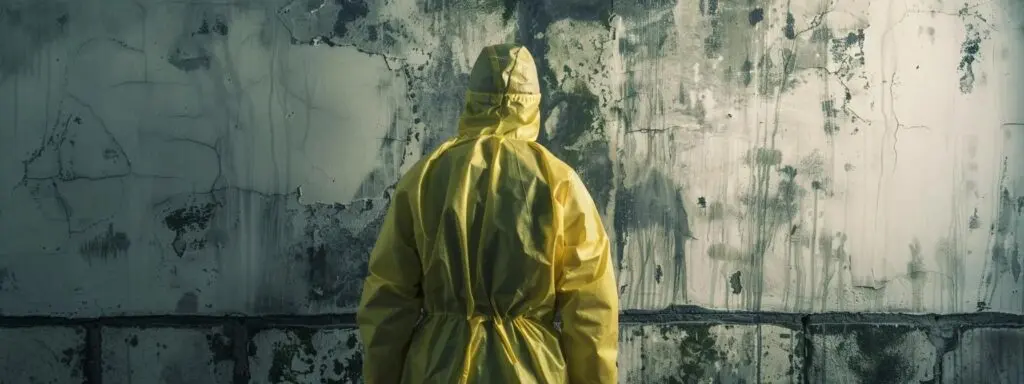
Mold thrives in warm, humid climates, making South Carolina homes especially vulnerable to unchecked growth. Homeowners often discover infestations when musty odors arise or discoloration appears on walls, ceilings, or floors. Addressing these issues swiftly through professional remediation protects both property and health. A thorough mold remediation process involves a series of coordinated steps designed to find, remove, and prevent mold. From initial inspection to final clearance testing, each phase contributes to complete restoration and long-term peace of mind. Understanding the Mold Threat in South Carolina South Carolina’s subtropical climate delivers high humidity and heavy rainfall, creating ideal conditions for mold spores to settle and multiply. Basements, attics, crawl spaces, and bathrooms often harbor hidden moisture sources that fuel infestations. Without mitigation, mold can spread beneath floors and behind walls. Mold growth not only damages building materials like drywall and wood framing but also releases allergens and irritants into the air. Residents may experience sneezing, coughing, eye irritation, or more serious respiratory issues when exposed to concentrated spore levels. Proactive inspections and moisture control strategies are essential in preventing new outbreaks. By maintaining proper ventilation, repairing leaks promptly, and deploying dehumidifiers, homeowners can reduce indoor humidity to below 50%, a threshold that significantly hinders mold proliferation. The Mold Remediation Process Overview A systematic remediation procedure restores safe, habitable conditions and safeguards structural integrity. Certified technicians follow industry-accepted protocols that align with guidelines from organizations such as the IICRC (Institute of Inspection Cleaning and Restoration Certification). Understanding each phase helps homeowners set realistic expectations. Inspection and Assessment During the inspection phase, professionals conduct a visual survey to identify visible mold and water intrusion points. Infrared thermal imaging cameras and moisture meters reveal hidden damp spots in walls or beneath flooring. Technicians may collect air and surface samples for laboratory analysis when the extent of contamination is uncertain. Following data collection, a detailed scope-of-work document outlines affected areas, remediation objectives, containment requirements, and estimated timelines. This plan ensures transparency and helps coordinate insurance claims or contractor schedules. Containment and Isolation Containment protocols prevent mold spores from migrating to unaffected sections of the property. Technicians install physical barriers using polyethylene sheeting and create negative pressure differentials through HEPA-filtered air scrubbers. These measures isolate the work zone, reducing cross-contamination risk. Airlock entry systems may be set up at access points, allowing remediation crews to enter and exit without dispersing spores. Proper containment is especially critical when dealing with multilayered or extensive infestations to protect occupants and neighboring rooms. Removal and Disposal Once containment is secured, technicians remove contaminated materials that cannot be salvaged. This may include porous items such as drywall, insulation, carpeting, and ceiling tiles. All debris is double-bagged in heavy-duty plastic and removed under negative pressure to maintain isolation. Non-porous surfaces are cleaned and disinfected using EPA-registered antimicrobials. By scrubbing with specialized brushes or employing dry-ice blasting for delicate materials, removal efforts ensure residual mold is eradicated from surfaces and crevices. Drying and Dehumidification Eliminating mold requires addressing its moisture source. Industrial-grade dehumidifiers, air movers, and desiccants are deployed to reduce ambient humidity and accelerate evaporation from wet materials. Technicians continuously monitor moisture readings until target levels are achieved. This drying phase often runs parallel to removal activities, preventing residual moisture from triggering new mold growth. Proper air circulation also helps in balancing temperature and humidity across the remediation zone. Restoration and Reconstruction After mold removal and drying are complete, the focus shifts to repairing structural damage. Carpentry teams replace damaged framing, install new drywall, and restore finishes to original conditions. When rebuilding larger areas, specialists coordinate with licensed contractors to ensure compliance with local building codes. Homeowners receive a final walkthrough detailing work performed and recommendations for maintaining healthy indoor environments. Many remediation companies offer post-remediation testing to validate that spore counts have returned to acceptable levels. Key Equipments in Remediation Successful mold remediation depends on specialized equipment and techniques tailored to each site’s needs. High-efficiency particulate air (HEPA) vacuums capture microscopic spores at 0.3 microns or larger. Negative air machines, equipped with pre-filters and HEPA filters, remove airborne contaminants throughout the process. Thermal hygrometers monitor temperature and relative humidity. Moisture meters differentiate between surface dampness and deeper saturation; pin-type meters measure moisture content inside wood, while pinless meters detect moisture just beneath surfaces. Technologies like thermal imaging cameras provide visual maps of hidden moisture accumulation. Advanced chemical treatments, including oxidative biocides and encapsulating coatings, complement physical removal. These products neutralize remaining spores and create a barrier that inhibits regrowth, forming a resilient protective layer on cleaned surfaces. Equipment Function Notes HEPA Vacuum Removes settled spores and debris Mandatory for all phases of cleanup Negative Air Machine Creates containment zone with filtered airflow Essential for isolating work areas Thermal Imaging Camera Identifies hidden moisture sources Non-invasive and rapid detection Industrial Dehumidifier Lowers indoor humidity to safe levels Operates continuously during remediation Air Mover (Floor Fans) Enhances air circulation for faster drying Complements dehumidification Factors Affecting Mold Remediation in South Carolina Homes Several variables influence remediation complexity and cost in South Carolina properties. The age and construction of a house dictate material vulnerabilities; older homes may lack vapor barriers, allowing moisture intrusion through foundation walls. Coastal or flood-prone locations often sustain hidden water damage after storms. The infestation’s scale is another determinant. Surface-level mold on non-porous materials is simpler to remediate than deeply embedded mold in insulation or organic cellulose substrates. Accessibility constraints—such as mold behind built-in cabinetry or inside HVAC ductwork—can extend project timelines. Homeowners should also consider occupant health factors. If residents have asthma, allergies, or weakened immune systems, stricter containment and air quality measures become imperative. Coordinating remediation schedules to minimize exposure and ensuring third-party clearance testing often add to the scope. A key resource that outlines these influences is Causes of Mold Growth in South Carolina Homes, a guide that helps buyers, sellers, and homeowners assess risk factors and preventative measures. Advanced Techniques and Innovative Solutions Remediation contractors increasingly leverage cutting-edge methods that enhance safety and accelerate